
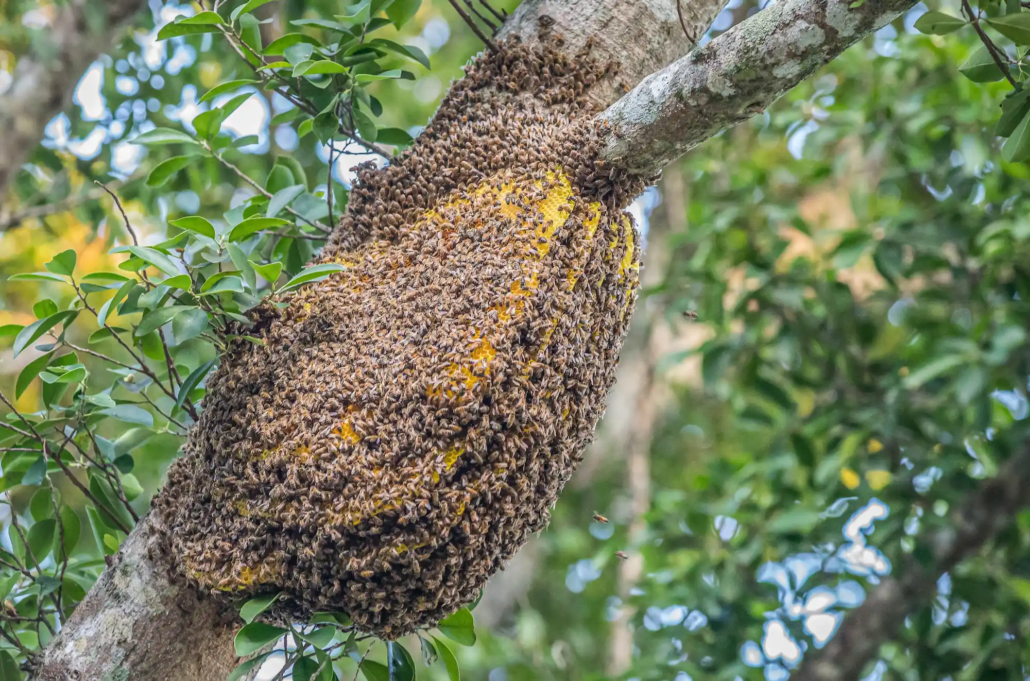
How to Safely Remove a Beehive from a Tree
Dealing with a beehive in a tree can be both concerning and challenging for homeowners. While bees are essential to the environment, their presence too close to living spaces may require immediate action. Removing a beehive from a tree can be a delicate and potentially dangerous task, especially if it’s done without proper planning or care. For homeowners and property managers, safety should always come first, not just for you, but for the bees as well. At Green Pine Tree Service, we emphasize responsible, environmentally conscious approaches that protect both people and pollinators whenever possible.
Identifying the Problem Before Taking Action
Before taking any action, it’s important to correctly identify the situation. Not all bee activity means there is a hive. Sometimes bees are simply passing through or temporarily clustering. However, if you notice consistent activity in and out of a specific hole or branch, there’s a good chance a hive has been established. At this stage, consider whether removal is truly necessary, as bees play a critical role in pollination and the ecosystem.
Preparation and Essential Equipment
If removal is required, preparation is key. You’ll need proper protective gear and the right tools to reduce risk and increase efficiency.
Choosing the Right Time and Approach
Once equipped, timing your approach is crucial. Early morning or late evening is typically best, as bees are less active and more likely to be inside the hive. Using a smoker can help reduce aggression by calming the colony. Approach slowly and avoid sudden movements, as vibrations or loud noises can provoke defensive behavior.
Step-by-Step Beehive Removal Process
The next step involves carefully accessing the hive. If it’s located within a hollow section of the tree, you may need to gently remove parts of the wood to reach it. This should be done cautiously to avoid damaging the tree more than necessary. Once exposed, the hive can be relocated into a proper container or hive box. Whenever possible, relocating bees rather than exterminating them is the preferred and environmentally responsible method.
Aftercare and Prevention
After removal, it’s important to clean and secure the area. Any leftover honeycomb or residue can attract new colonies or other pests. Sealing openings in the tree and monitoring the site over the following weeks can help ensure the problem doesn’t return.
When to Call Professionals
There are also situations where removal should not be attempted on your own. If the hive is large, located high up, or if anyone nearby has allergies to bee stings, it’s best to call professionals. Improper handling can lead to injuries or even worsen the infestation.
Final Thoughts
In conclusion, removing a beehive from a tree requires patience, preparation, and respect for nature. While it may seem like a straightforward task, the risks involved make it important to approach it thoughtfully. Green Pine Tree Service recommends prioritizing safe removal methods and considering professional assistance when needed, ensuring both your property and the environment are protected.

